Custom Clothing Solutions for Global B2B Buyers | Quality Custom Apparel Manufacturing
Custom clothing manufacturing for businesses worldwide. We produce custom T-shirts, sportswear, and custom-made apparel with advanced cloth printing and reliable factory production.
2026/06/18
Reading volume: 0
News Details
Custom Clothing: The Strategic Advantage for Modern Businesses
The global textile industry faces constant transformation. Businesses now seek partners who deliver more than off-the-shelf products. They demand custom clothing solutions aligned with brand identity and market needs. This shift creates opportunities for forward-thinking enterprises.
The Growing Demand for Custom Clothing in Global Markets
International buyers increasingly prioritize differentiation in competitive retail landscapes. Standard apparel fails to capture unique brand stories or regional consumer preferences. Custom t shirts clothing and personalized apparel collections now serve as powerful branding tools. Meanwhile, sports clothing custom orders continue to surge across fitness brands and athletic institutions worldwide. These tailored solutions enable brands to control every detail from fabric weight to stitching color. The market data supports this accelerating trend. Cross-border B2B transactions in custom clothes have grown substantially over the past five years. Retailers, corporate clients, and promotional agencies consistently invest in bespoke garment programs. Such programs build stronger customer loyalty compared to generic merchandise. Therefore, sourcing custom made clothing from reliable manufacturers has become a strategic imperative.
Advanced Custom Cloth Printing and Fabrication Technologies
Modern production facilities employ sophisticated equipment that transforms design concepts into wearable products. Digital direct-to-garment printers achieve photographic detail on cotton and blended fabrics. Screen printing remains the preferred method for bulk orders due to its cost efficiency. Additionally, custom cloth printing technologies now support eco-friendly water-based inks and biodegradable materials. These innovations reduce environmental impact while maintaining vibrant color reproduction. Manufacturers also integrate sublimation processes for polyester-based activewear and uniforms. Embroidery digitization adds tactile premium appeal to corporate wear and luxury collections. Laser cutting and heat transfer vinyl expand creative possibilities for designers and brand managers. Each technology serves distinct production volumes and material types. Consequently, clients benefit from tailored recommendations based on their specific project requirements.
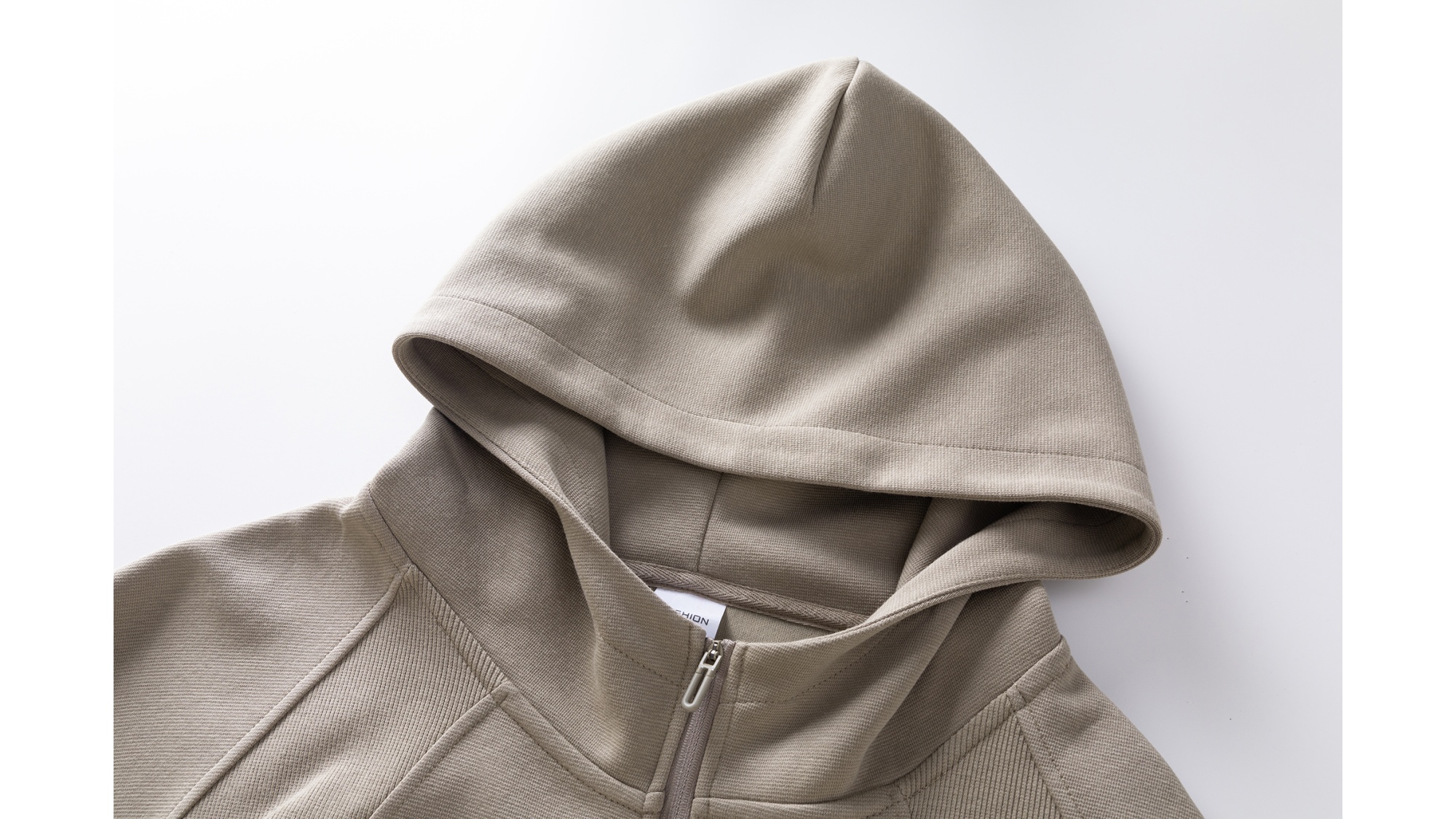
Quality Assurance in Custom Made Clothing Production
Consistency separates professional manufacturers from unreliable workshops in the B2B apparel sector. Reputable factories implement multi-stage inspection protocols throughout the production cycle. Raw fabric undergoes tensile strength and colorfastness testing before cutting begins. During assembly, skilled operators verify seam integrity and dimensional accuracy against approved samples. Finished garments then pass through final quality audits that check for defects in printing, stitching, and packaging. Beyond physical inspection, ethical compliance has become a non-negotiable criterion for international procurement. Leading custom clothing suppliers hold certifications such as BSCI, WRAP, and OEKO-TEX Standard 100. These credentials verify safe working conditions and restricted chemical usage across all production stages. As a result, modern buyers can confidently source products that meet both quality expectations and corporate social responsibility standards. Transparency in the supply chain builds lasting trust between manufacturers and their global clientele.
How to Choose the Right Custom Clothing Manufacturing Partner
Evaluating potential suppliers requires a structured approach that goes beyond price comparison alone. Begin by examining the factory specialization and its track record with similar product categories. A manufacturer experienced in custom t shirts clothing may not excel at producing tailored formal wear or complex outerwear. Review their equipment list and production capacity to ensure alignment with your volume requirements. Furthermore, request physical samples before committing to bulk orders so you can personally assess fabric hand feel and print durability. Communication infrastructure merits equal attention during the selection process. Dedicated account managers who respond promptly indicate strong organizational discipline within the supplier. Language proficiency and cultural awareness streamline design approvals and specification exchanges across time zones. Finally, investigate the minimum order quantities and flexible customization options offered by each candidate. The ideal partner balances competitive pricing with consistent delivery timelines and responsive after-sales support. Standard industry practice now favors long-term relationships over transactional procurement models.
Share to:


