Wholesale Clothing: A Complete Guide for Retailers and Businesses
Discover the essentials of wholesale clothing for your retail business. Learn sourcing strategies, quality tips, and supplier selection in this guide.
2026/08/14
Reading volume: 0
News Details
Starting a retail apparel business requires smart planning and a reliable inventory pipeline. Wholesale clothing offers a highly efficient path to profitability. By sourcing finished garments in bulk, retailers can manage overhead, secure strong profit margins, and adapt quickly to shifting consumer trends.
Navigating the Wholesale Clothing Market
The wholesale ecosystem connects garment manufacturers with independent retailers. You buy bulk inventory at a reduced cost and apply a standard retail markup. To succeed, you must understand your primary sourcing channels:
-
B2B E-Commerce Marketplaces: Offers global inventory access and easy price comparison, though you may face occasional shipping delays from overseas vendors.
-
Trade Shows & Expos: Ideal for in-person fabric inspections and direct networking, but requires a travel budget and adherence to event schedules.
-
Direct Manufacturer Deals: Yields the lowest unit costs and custom private-label options, but usually demands high Minimum Order Quantities (MOQs) and upfront capital.
How to Vet and Choose Reliable Suppliers
Your business's stability depends entirely on your supply chain. A single delayed shipment or substandard batch can damage customer trust. Protect your brand with this strict vetting process:
-
Verify Track Records: Look beyond the supplier's website. Check third-party reviews focusing on order accuracy and communication.
-
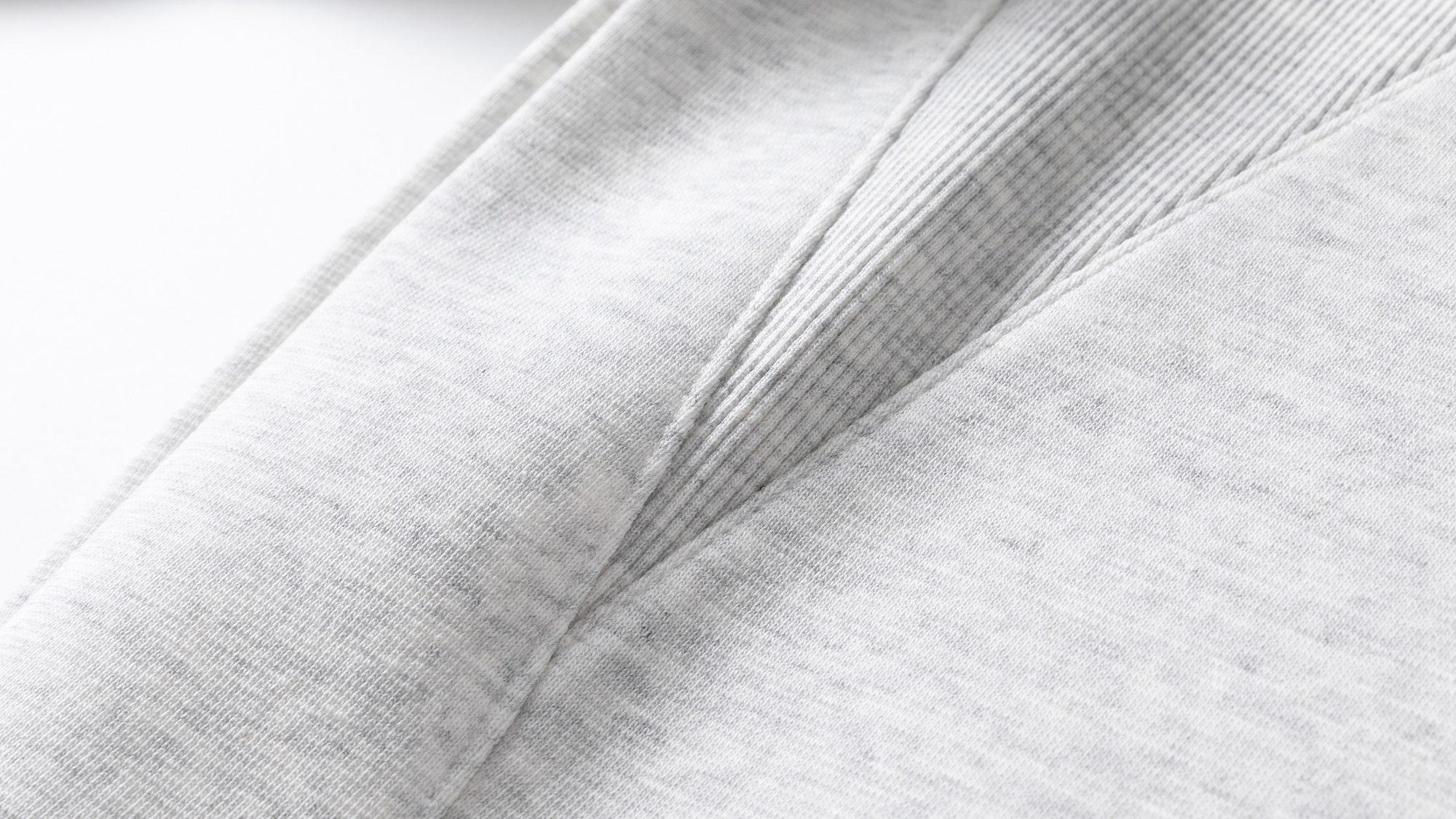
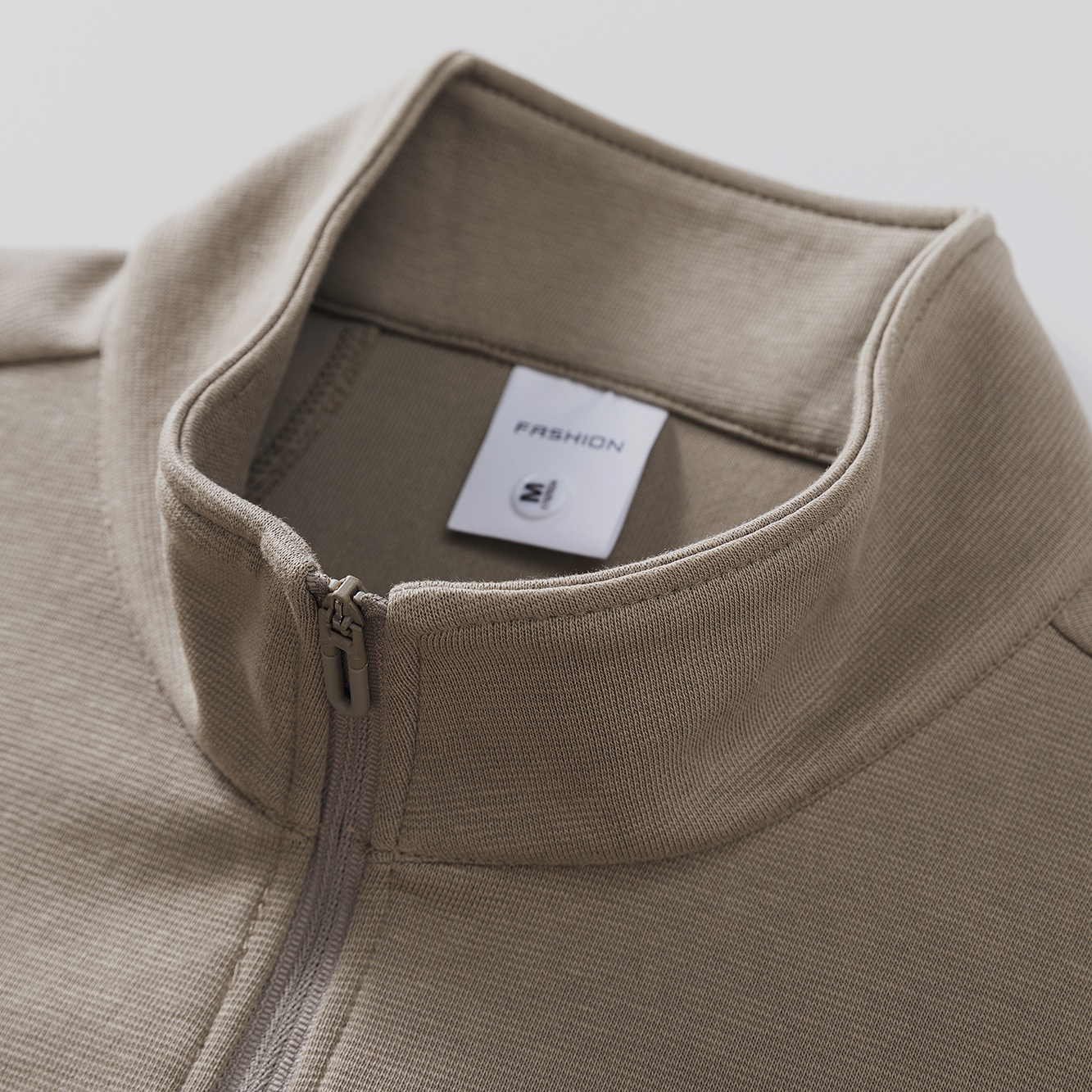
Order Physical Samples: Never place a bulk order based solely on digital photos. Inspect the fabric weight, seam quality, and dye consistency firsthand.
-
Execute Small Trial Orders: Test real-world transit times and packaging quality with a modest initial order before committing your primary budget.
-
Clarify Terms: Ensure the supplier’s MOQs fit your cash flow, and clearly outline return responsibilities for damaged goods.
Core Advantages of the Wholesale Model
Compared to dropshipping or print-on-demand, holding wholesale inventory offers distinct operational benefits:
-
Healthier Profit Margins: Buying in volume sharply reduces your landed cost per unit, providing the financial depth to run promotions and maintain solid net income.
-
Direct Quality Control: Holding physical stock allows for faster shipping times, in-house quality checks, and total control over the customer unboxing experience.
-
Strategic Vendor Partnerships: Long-term supplier bonds often unlock better credit terms, priority order processing, and early access to new seasonal lines.
Data-Driven Strategies for Scaling
Sustained growth requires balancing creative curation with disciplined, data-driven management.
-
Practice Demand-Based Buying: Use your sales analytics to track fast-moving styles, colors, and sizes. Stocking based on real data prevents cash from getting trapped in dead inventory.
-
Implement Cross-Selling: Boost your Average Order Value (AOV) by building cohesive product lines. If you sell casual tops, naturally integrate complementary bottoms or accessories.
-
Focus on Authentic Marketing: Build trust through transparent social media content. Sharing detailed fit guides, fabric breakdowns, and behind-the-scenes videos builds buyer confidence and lowers return rates.
Summary
The wholesale apparel model remains a resilient, low-barrier entry point for retail entrepreneurs. By diligently vetting suppliers, managing stock through data, and maintaining high quality-control standards, you can confidently scale a profitable retail brand.
Share to:


