# POLO PERFORMANCE: FABRICS, STRETCH, CONSTRUCTION
News Details
Why Fabric Takes the Pole Position Over Collar in Polo Shirt Engineering
Polo shirts pack more specification parameters per unit than almost any other category in corporate and teamwear collections: collar construction, placket hardware, sleeve finish and fabric all sit within just a few centimeters of each other, and every single detail is noticed by buyers. But the fabric decision always comes first, because it determines what material the collar can be made from, how the placket performs, and which decoration methods can survive repeated wear and washing.
Traditional cotton pique remains the gold standard — textured, breathable, and easy to brand. However, over the past several seasons, performance knits have gained ground in corporate and golf apparel, as they solve the two most common complaints about pique: stiffness across the shoulders and slow drying after wear or laundering.
Nylon-Spandex Polo Shirts: What the Blend Ratio Delivers
The core performance blend used in our polo line is 87% nylon and 13% spandex. The nylon surface provides a smooth, silky hand feel with high abrasion resistance, while the spandex content transforms a fitted polo into a garment that moves with the wearer instead of restricting their movement. Our performance polo shirts in Style 0606 feature this blend engineered for four-way stretch — extending in all directions, not just along the length — this is the property that keeps a tailored silhouette from tightening when the wearer reaches or twists.
This ratio is a deliberate specification choice. More spandex provides better compression and shape retention; less keeps the hand feel closer to a traditional knit. What matters for buyers is that the ratio is clearly stated, consistent between sample and bulk production, and supported by recovery testing — a performance polo that loses its shape after five washes has failed its purpose, no matter how good the first sample felt.
Seamless Construction: Function First, Aesthetics Second
Seamless construction in performance polos serves two purposes. Functionally, it eliminates seam bulk at the shoulders and side body — the areas where chafing occurs during movement. Visually, it gives the garment clean, uninterrupted lines that now signal a technical product rather than a dress shirt substitute.
Our seamless polo shirts combine the same nylon-spandex blend with seamless comfort technology and micro-geometry in the knit that transfers heat and moisture away from the body. The same construction also protects the placket area: with fewer seams converging near the collar stand, the placket stays flatter throughout the garment's lifespan.
Polo Shirt Collar Construction: The Details Buyers Evaluate First
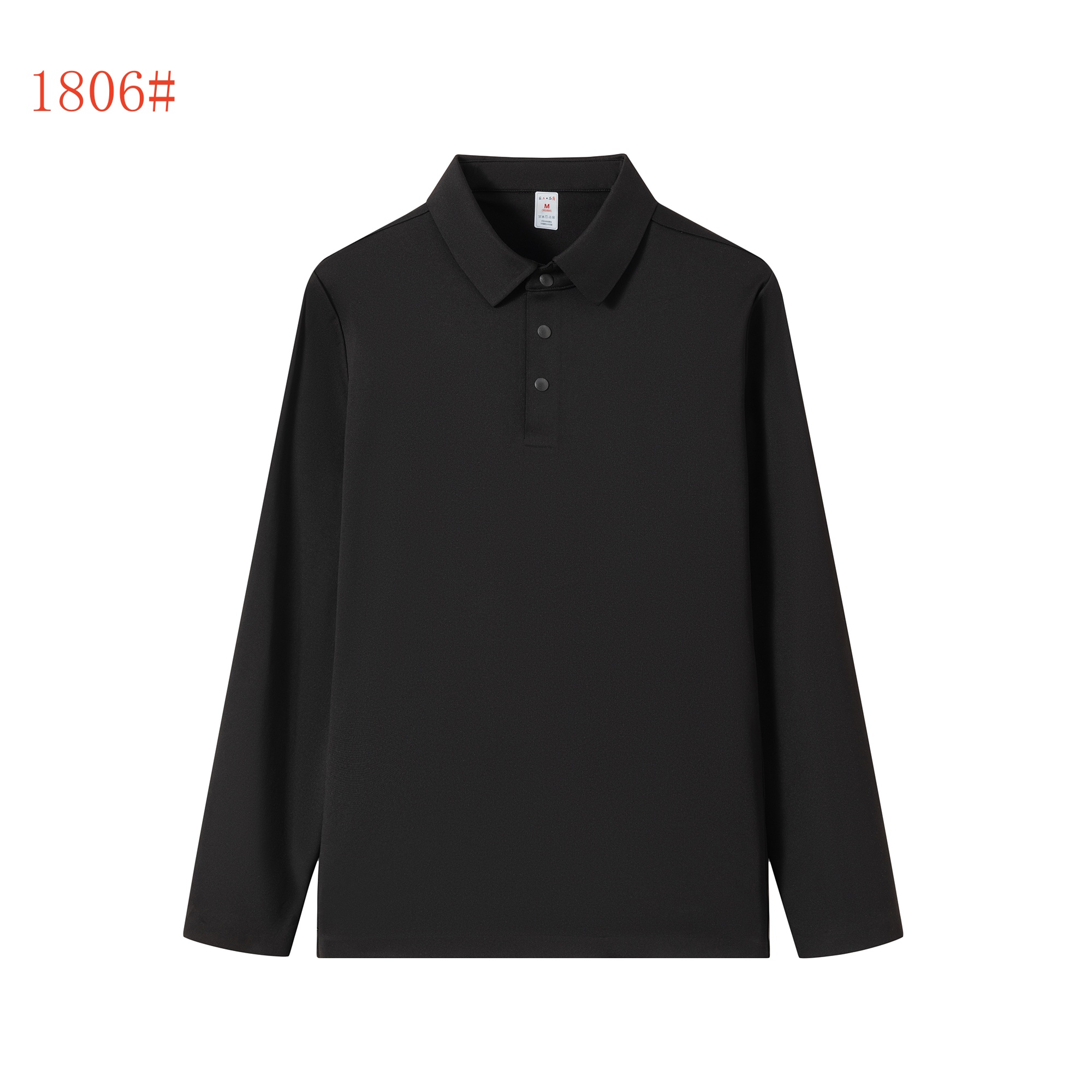
The collar is the first thing a customer touches, and the first place a cheap polo shows its flaws. Three construction factors determine whether a collar holds its shape after fifty washes:
- Collar build: a two-piece collar band retains its shape better than a single folded piece, especially with heavier fabric weights.
- Interlining: a fused interlining keeps collar points flat through laundering but alters the hand feel; an unfused knit collar stays softer but requires denser knitting to avoid curling.
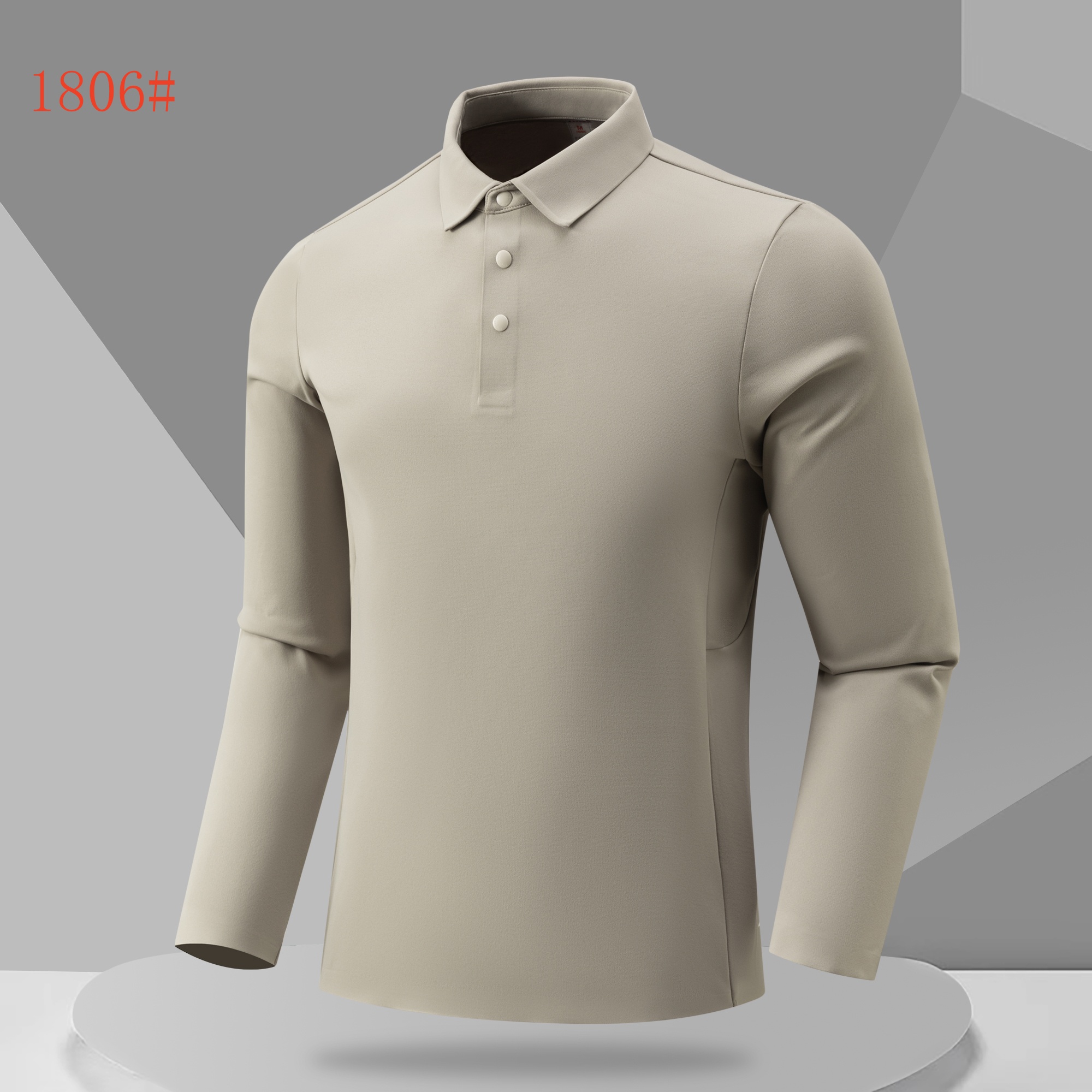
- Placket hardware: buttons have a traditional look and are replaceable; snap plackets, as used on Style 1806, are ideal for workwear and hospitality programs where buttons come loose or fast turnaround laundering is required.
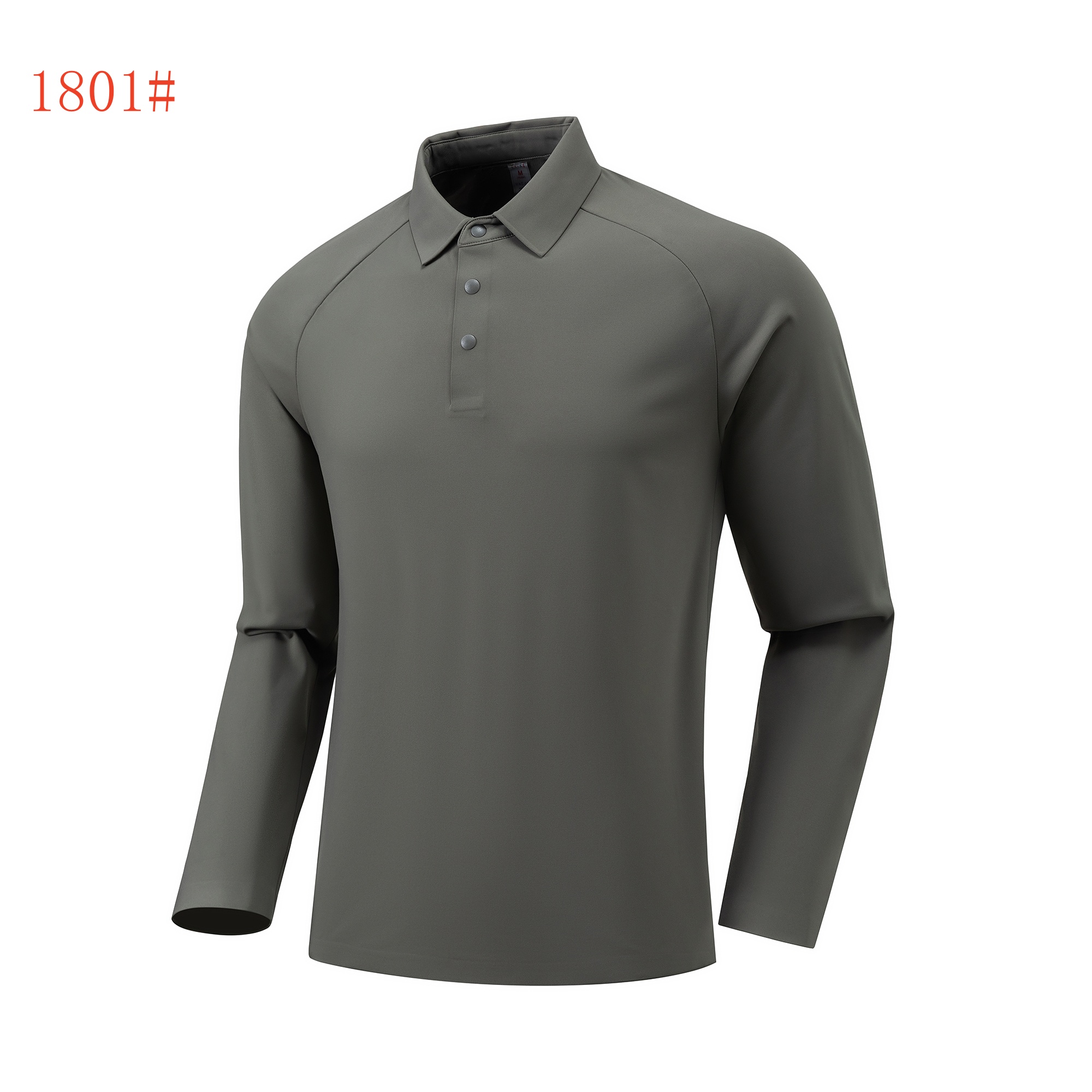
Confirm all three on the physical sample and document them against the approval, as collar components are the most commonly substituted elements in garment manufacturing. Sleeve construction should be part of the same discussion: a raglan cut, as used on our raglan long sleeve polo shirts in Style 1801, eliminates the shoulder seam entirely, which suits active programs and simplifies grading across size ranges.
Moisture-Wicking Polo Shirts: How the Knit Actually Moves Sweat
Wicking is a property of the fabric structure, not a coating. In a well-engineered performance knit, the yarn cross-section and knit micro-geometry create capillary channels that pull sweat from the skin side to the outer surface, where it spreads and evaporates. This is why the same nylon-spandex blend feels cool in warm weather and dries quickly after laundering — this performance is built into the knit structure, so it does not wash off like a chemical finish.
When evaluating supplier claims, ask about the mechanism: a knit-structure wicking claim is inherently durable, while a finish-based claim requires supporting wash-durability test results.
Decorating Performance Polos Without Damaging the Fabric
Performance fabrics change the decoration rulebook. High-heat embroidery can distort a stretch knit, and thick plastisol print cracks on a four-way stretch surface. The methods that work on nylon-spandex bodies are those designed to flex with the fabric: silicone heat transfer, 3D gel printing, reflective accents, and dense flat-lock embroidery executed with tension control.
Two placement rules ensure a corporate logo looks right. First, keep the logo away from the placket and collar fall — artwork that runs into the collar band looks unprofessional and cannot be corrected after bulk production. Second, approve the decoration on the actual fabric blend, as the same silicone transfer performs differently on 13% spandex than on rigid cotton pique.
Cotton vs. Performance: Matching the Polo to the Program
| Program | Fabric Direction | Why It Fits |
|---|---|---|
| Golf, Outdoor Events | Nylon-spandex, wicking knit, four-way stretch | Mobility, heat management, fast drying |
| Corporate, Front-of-House | Tech blend or premium cotton | Tailored drape, smooth branding surface |
| Workwear, Hospitality | Durable knit, snap placket | Fast laundering, low maintenance |
| Teamwear, Youth Sports | Lightweight performance knit | Lightweight, flexible, print-compatible |
Our full range of custom polo shirts includes performance blends, cotton bodies, and long sleeve styles in men's and unisex fits, with fabric ratio, collar construction, and decoration customized to specifications.
Frequently Asked Questions
Is a nylon-spandex polo suitable for everyday office wear?
Yes — a smooth performance blend looks more like a tailored shirt than cotton pique, and its wrinkle resistance is an advantage for programs that are worn daily and laundered frequently. The styling, not the fabric, determines whether it looks technical or polished.
Do seamless polos cost more to produce?
The knitting process is more specialized, which increases fabric-side costs, but the garment requires fewer sewing operations at the shoulders and side body. At program volumes, the total difference is usually small; the decision should be based on use case rather than unit price alone.
Can we mix cotton and performance polos in one corporate collection?
Yes, but treat them as separate specification lines — different decoration methods, different care labels, and different color behavior between dye lots. Approve each on its own sample rather than assuming one approval covers the entire collection.


